Vessel Series I—IX
Studio, Mumbai — Goa
Objects · 2026
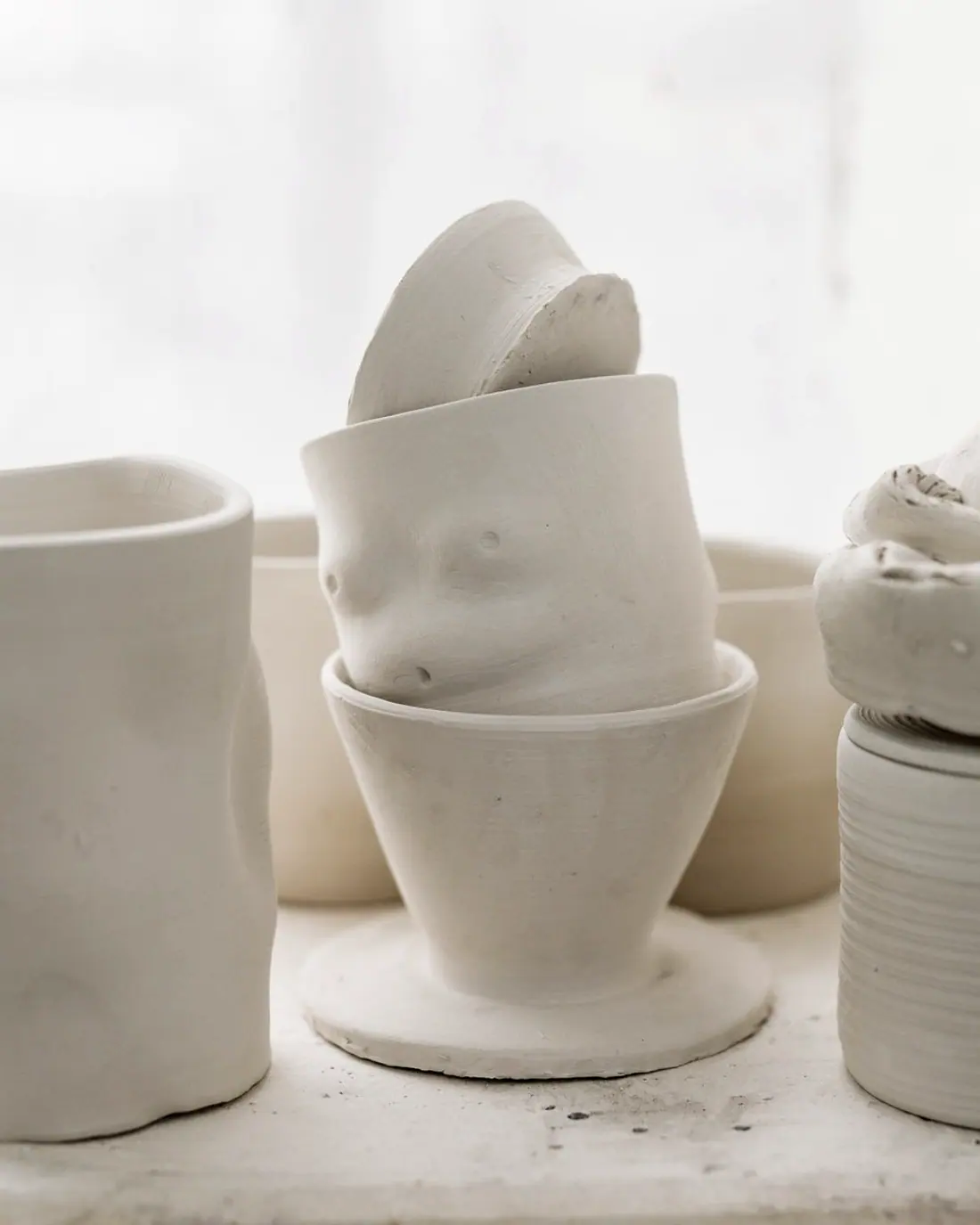
Nine objects made to answer a question about proportion that drawings kept avoiding.
This is not a building. It began in 2021 as an argument in the studio about whether a proportional system we were using on a stair could survive being applied to something you hold. Nine vessels later the argument is unresolved, which is why it is still running.
Each vessel is generated from the same rule: the height is the diameter of the mouth plus the diameter of the base. Nothing else is fixed. Changing the ratio between mouth and base produces the whole family, from I, almost a cylinder, to IX, which is nearly a dish.
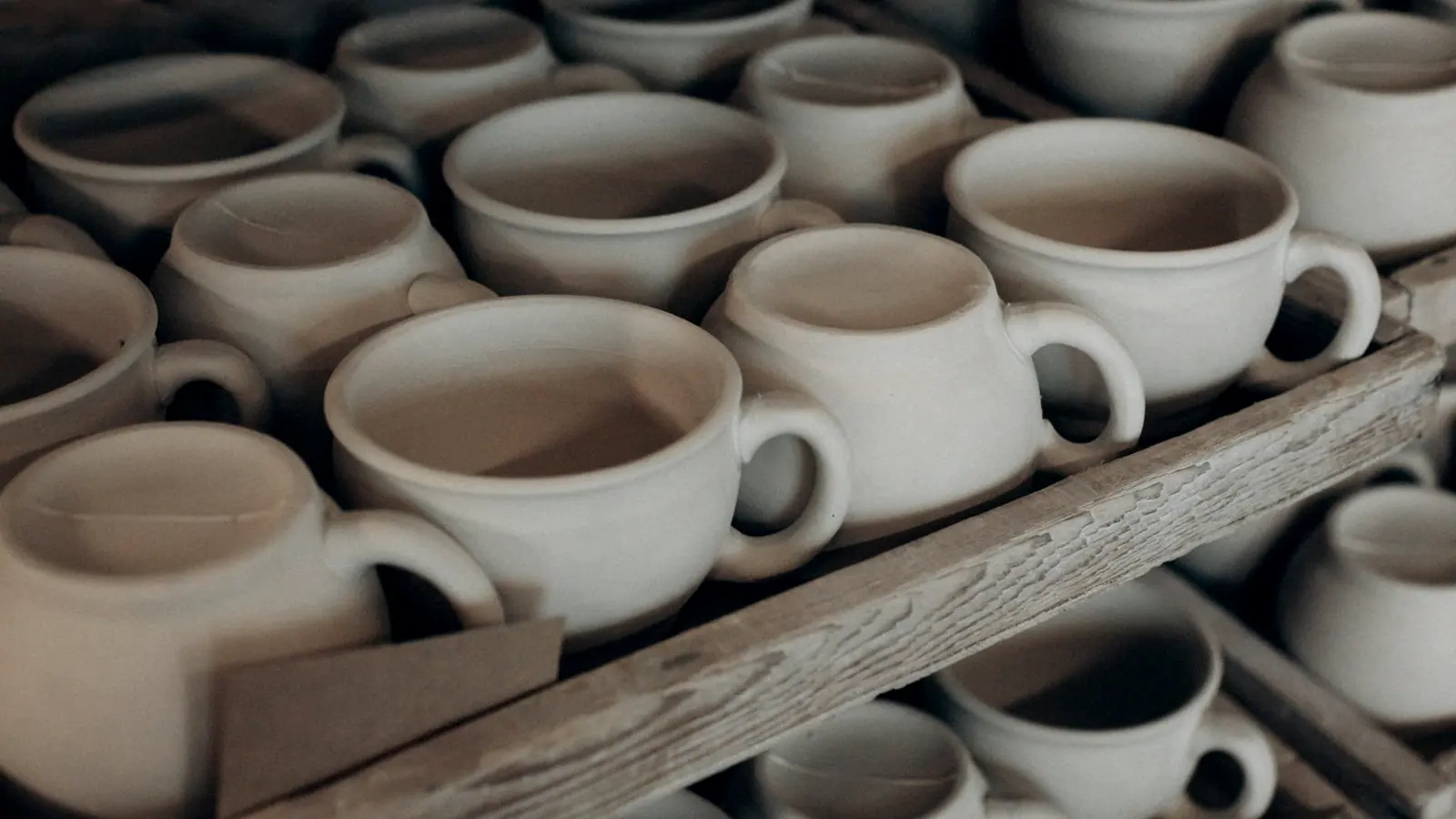
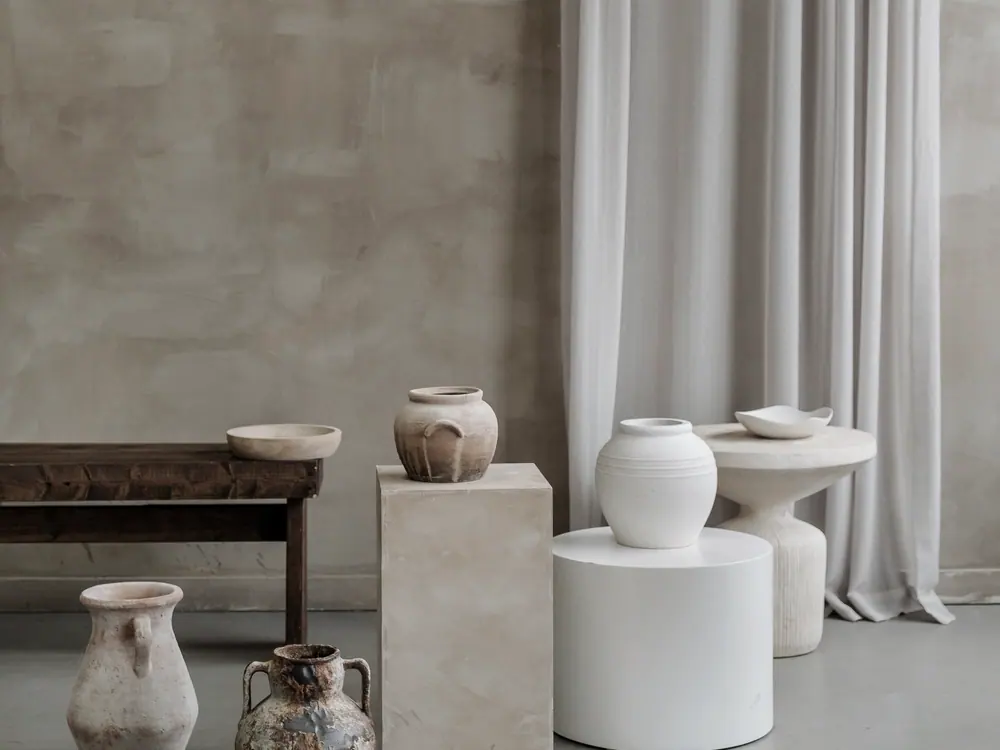
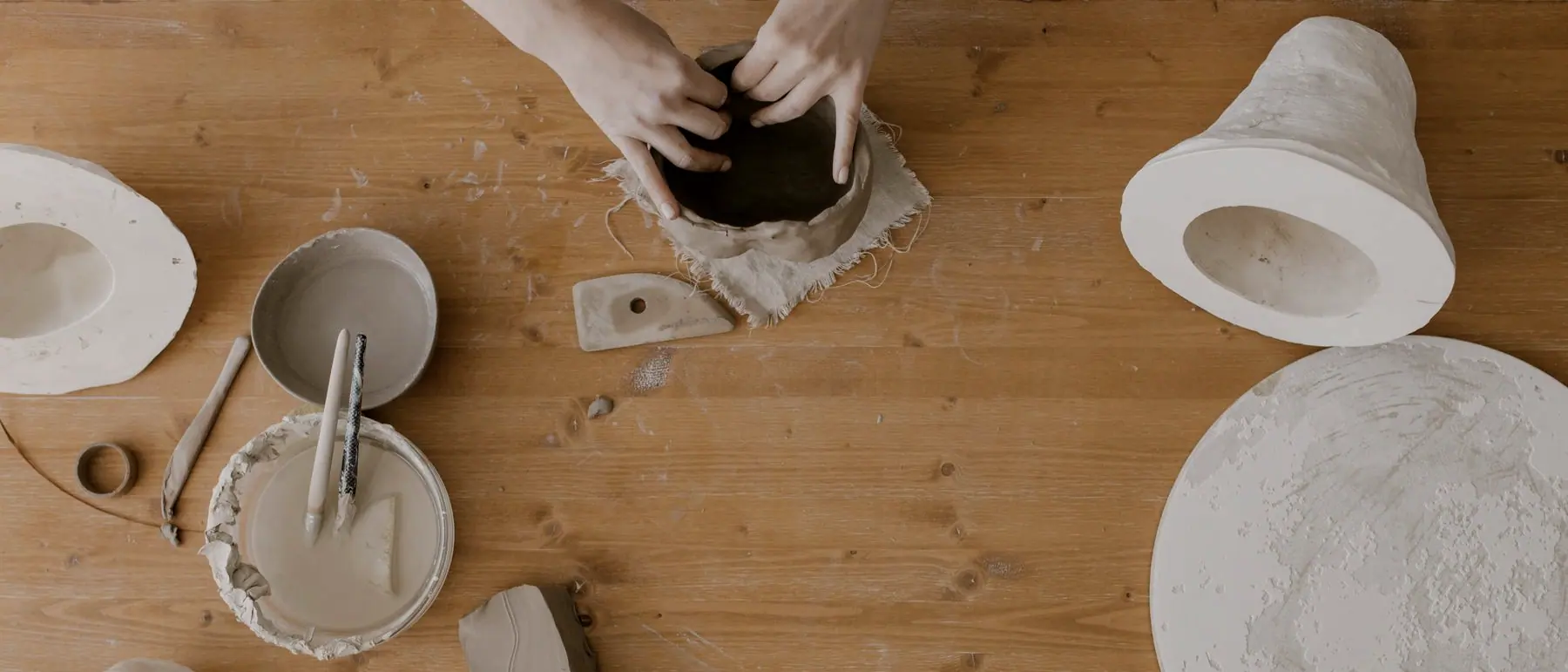
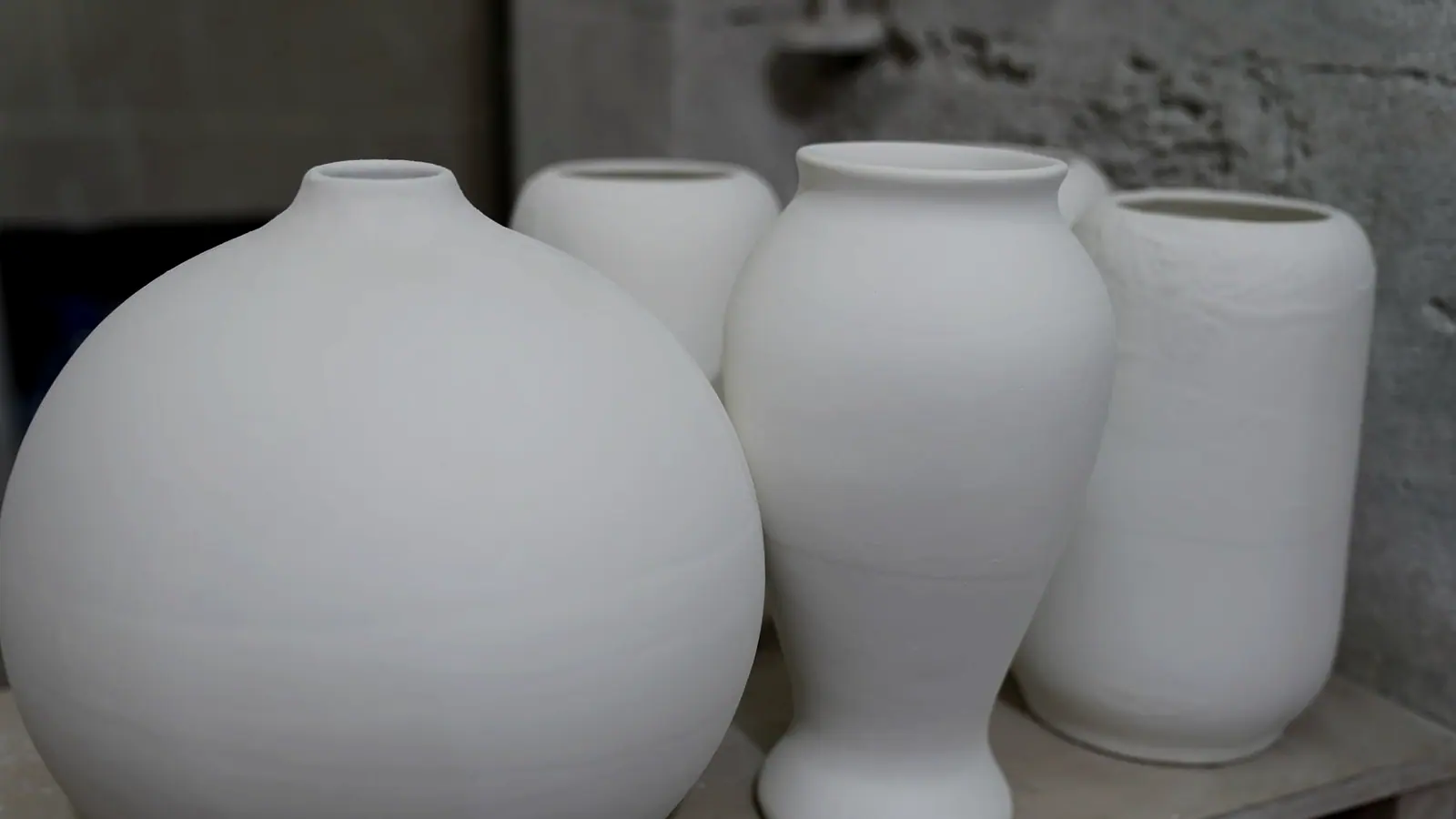
We make each one in three materials: turned Kadappa limestone, thrown stoneware, and spun brass. The same geometry behaves completely differently in each. Stone reads heavier than it is. Brass reads lighter. Clay is the only one that argues back during making, and it is the one we learn from.
Nothing here is glazed, plated or sealed. The point of the series is to watch nine identical geometries age at nine different rates, which requires that we do not intervene. Vessel III has been on a windowsill in Byculla since 2022 and is no longer the colour it was made.
- Kadappa limestone
- Turned on a stone lathe in Nashik. Wall thickness 9 mm at the rim.
- Stoneware
- Thrown in the Assagao workshop, fired to 1 260 °C, unglazed.
- Brass
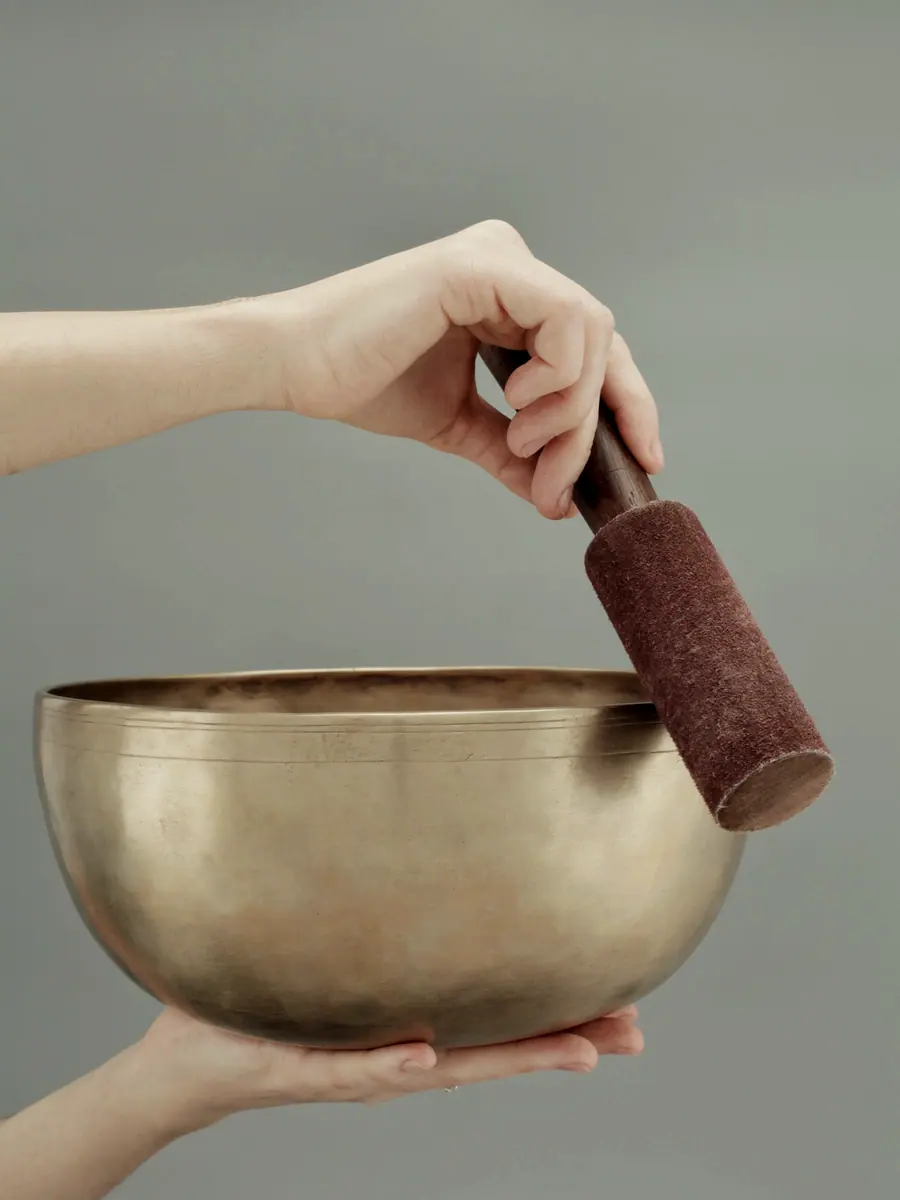
- Spun over a timber former, unlacquered, left to patinate from first handling.
- Teak
- Bases only, for the three largest vessels, from the same salvaged mill floor as Project 01.
- Rule
- h = ⌀mouth + ⌀base. Applied without exception across all nine.
- Range
- Vessel I: 118 mm tall. Vessel IX: 74 mm tall, 410 mm across.
- Editions
- Twelve of each, in each material. Numbered, not signed.
- Failures
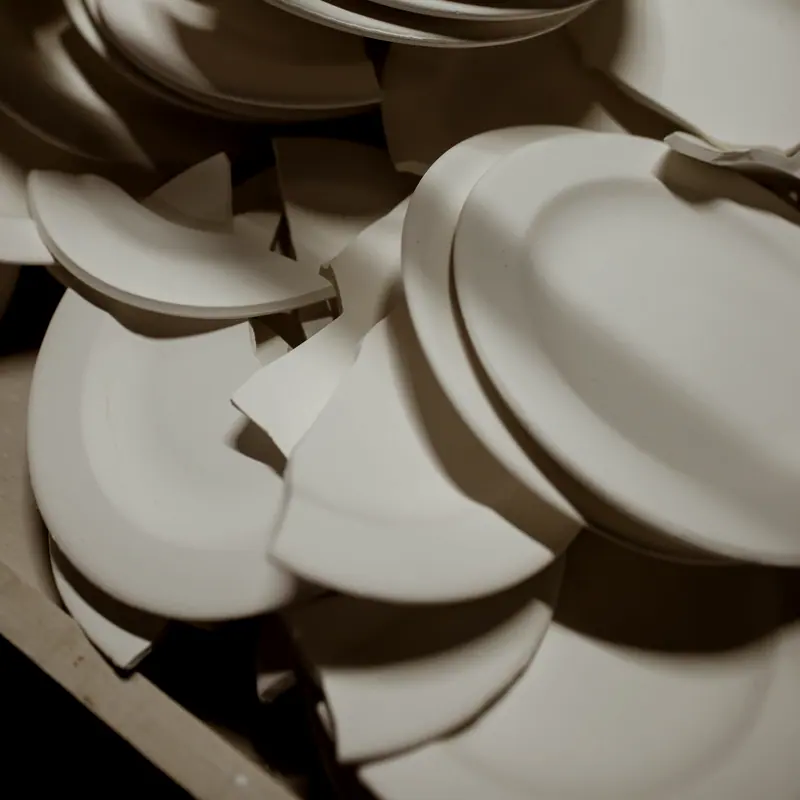
- Forty-one pieces lost in firing across the series. Vessel VI has never survived in clay.
- Vessel VI fails in clay every time — the rim is too wide for the wall thickness the rule allows. We have kept it in the series as a failure rather than correcting it.
- The proportional rule came off a stair at Kala Ghoda Rooms, where the riser plus the going set the height of the handrail. It is a building rule wearing a smaller coat.
- Series II applies the same rule to seating. It is going badly, which is promising.
Nine objects made to answer a question about proportion that drawings kept avoiding.
- Studio team
- Atelier NERA — S. Mehrotra, A. Fernandes, R. Naik
- Stone turning
- Nashik Stone Lathe Co.
- Ceramics
- Workshop 41, Assagao
- Metal spinning
- Byculla Brass Works
- Photography
- Plates 150–186, studio archive
2024